Are you looking to unlock the full potential of your home’s existing structure? Converting your loft delivers multiple benefits in this regard. Attic conversions are a great way to increase your home’s market value, something to bear in mind if you plan to sell in the future. In the meantime, or if you plan to stay long-term, you have the freedom to create a purpose-built room tailored to your needs.
Whether you’re in Portishead, Emersons Green, Keynsham, Bristol or the surrounding areas, there are certain aspects you must consider before converting your loft. Our building contractors are on hand to help clarify the often complex world of loft and attic conversions.
In this blog, we provide the most important information you need in the early stages of your conversion project. Contact us to find out more about our options for your home. We also have blogs on other topics, including versatile loft workspaces.
You must first check if your loft meets the conversion suitability criteria. In short, your loft must have a head height of at least 2.2m. If it’s this exact figure or above, we can perform a straightforward conversion.
However, you must also be aware that other factors can influence suitability. These include the pitch of your roof as well as obstacles like chimneys and water tanks.
Does your loft have less than 2.2m in headroom? Don’t give up hope just yet. We offer various options to overcome this fairly frequent issue. First, we can lower the ceilings in the rooms below your loft. Alternatively, our team can remove sections of the existing roofing structure or even raise the roof altogether.
Of course, such work represents a more complicated and costly solution than simple attic conversions in Portishead, Emersons Green, Keynsham and Bristol.
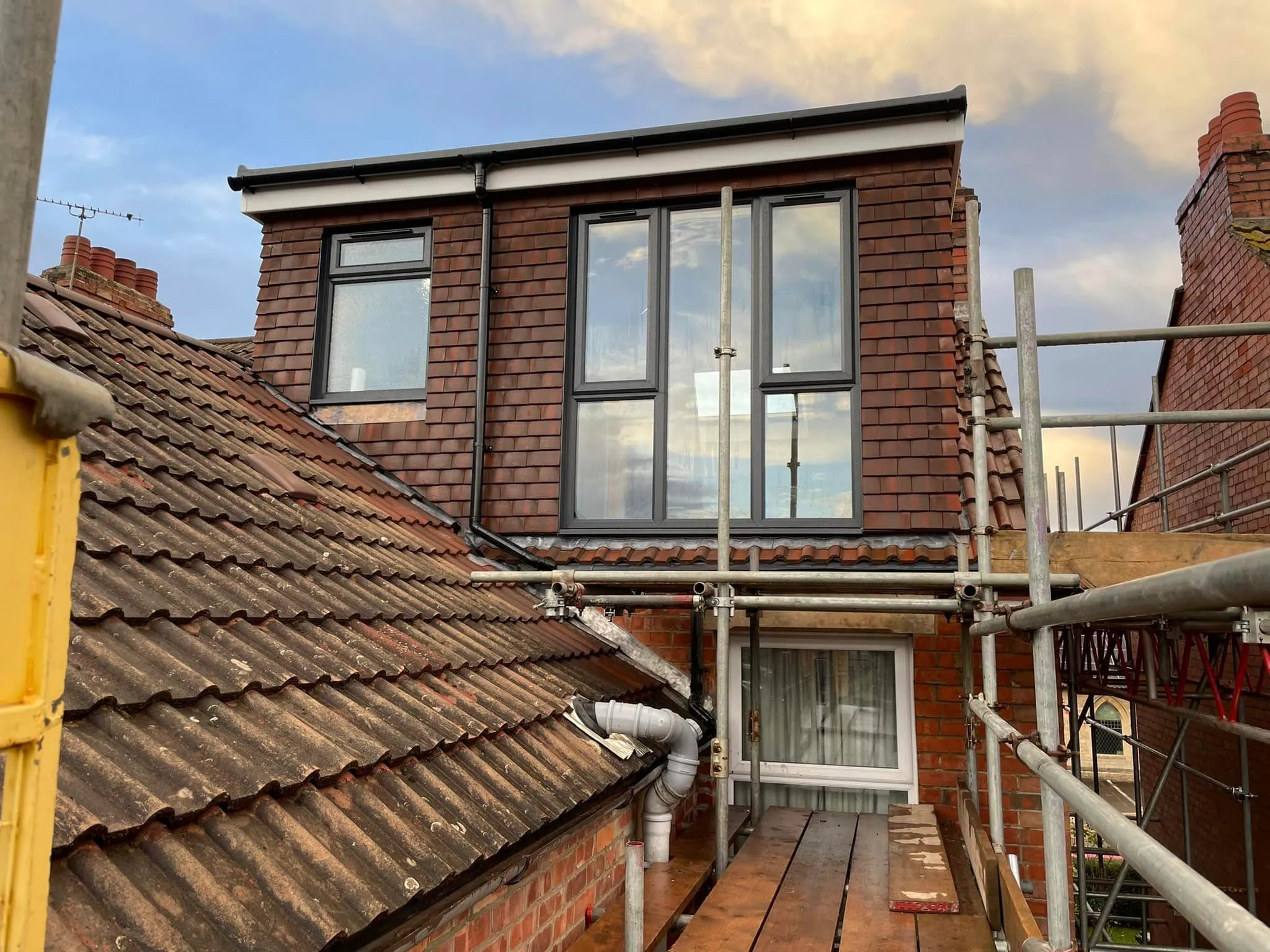
How you intend to use your new loft room will help narrow down which conversion style to choose. For example, if you want to create a peaceful second living room with a stunning view, a dormer conversion will suit your needs better than a rooflight conversion.
Likewise, if you want to create a simple guest bedroom, a basic room-in-loft solution makes more sense than going through the additional construction (and disruption) involved in a hip-to-gable conversion.
Once you know what type of room you want, you can start planning the décor. If your finished space will have angled ceilings, remember to keep this in mind as your design progresses.
Many loft and attic conversions qualify as permitted development. This means they don’t require planning permission from your local authority. But this is not a universal truth. If your proposed conversion involves altering the overall roof structure, you will need prior consent.
In addition, you may also need permission if you live in:
While the exact process varies by conversion, they typically involve the same key steps. The following are some project inclusions that customers in the Portishead, Emersons Green, Keynsham and Bristol areas can expect:
Call 07935 679806 to talk over attic conversions in Bristol, Keynsham and the nearby areas with a member of our team.